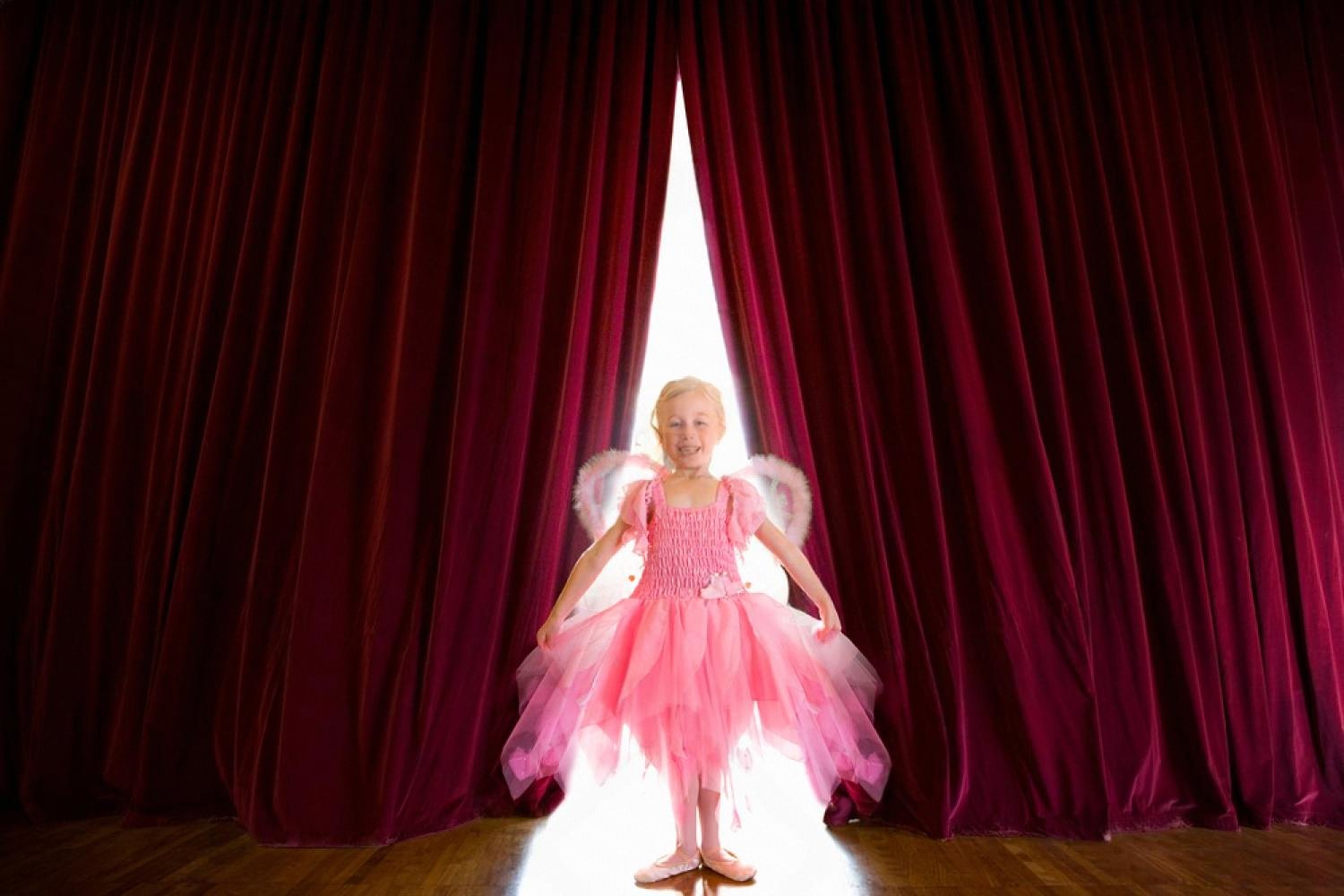
The first time my niece stepped in front of her Grade 3 class in Ajman to read a two-minute story about her weekend, she froze. She stared at the floor, whispered three sentences, and sat back down. Her teacher clapped anyway. A month later, dressed as a bumblebee in the school assembly, she recited an entire poem, waved at her parents, and grinned when the applause came. Nothing dramatic happened between those two moments, no expensive course, no coaching. What happened was a school and a family who understood that public speaking is not a talent children are born with. It is a habit that grows in small, safe steps.
Across the UAE, teachers and parents are more aware than ever that confident speaking is a life skill, not a school subject. Whether a child ends up in medicine, business, or the arts, they will spend their adulthood explaining ideas to other people. The work of getting comfortable with that starts young, and it starts in ordinary places: a classroom morning circle, a family dinner, a costume rehearsal in the school hall.
Why the Early Years Matter So Much
Children between the ages of six and twelve are still forming their sense of self in front of a group. A single embarrassing moment at this age can plant a fear of speaking that follows a person into adulthood, and a single kind reaction from a teacher can do the opposite. Research collected by public speaking anxiety studies consistently shows that most adults who fear the stage trace it back to childhood.
That is why the environment matters more than the technique at this stage. A child who is asked to present in front of a supportive classroom, in front of a teacher who smiles and nods, and in front of classmates who have been taught to listen respectfully, will slowly rewire what “standing up to talk” feels like. It stops being a test. It starts being normal.
The Classroom Is the First Stage
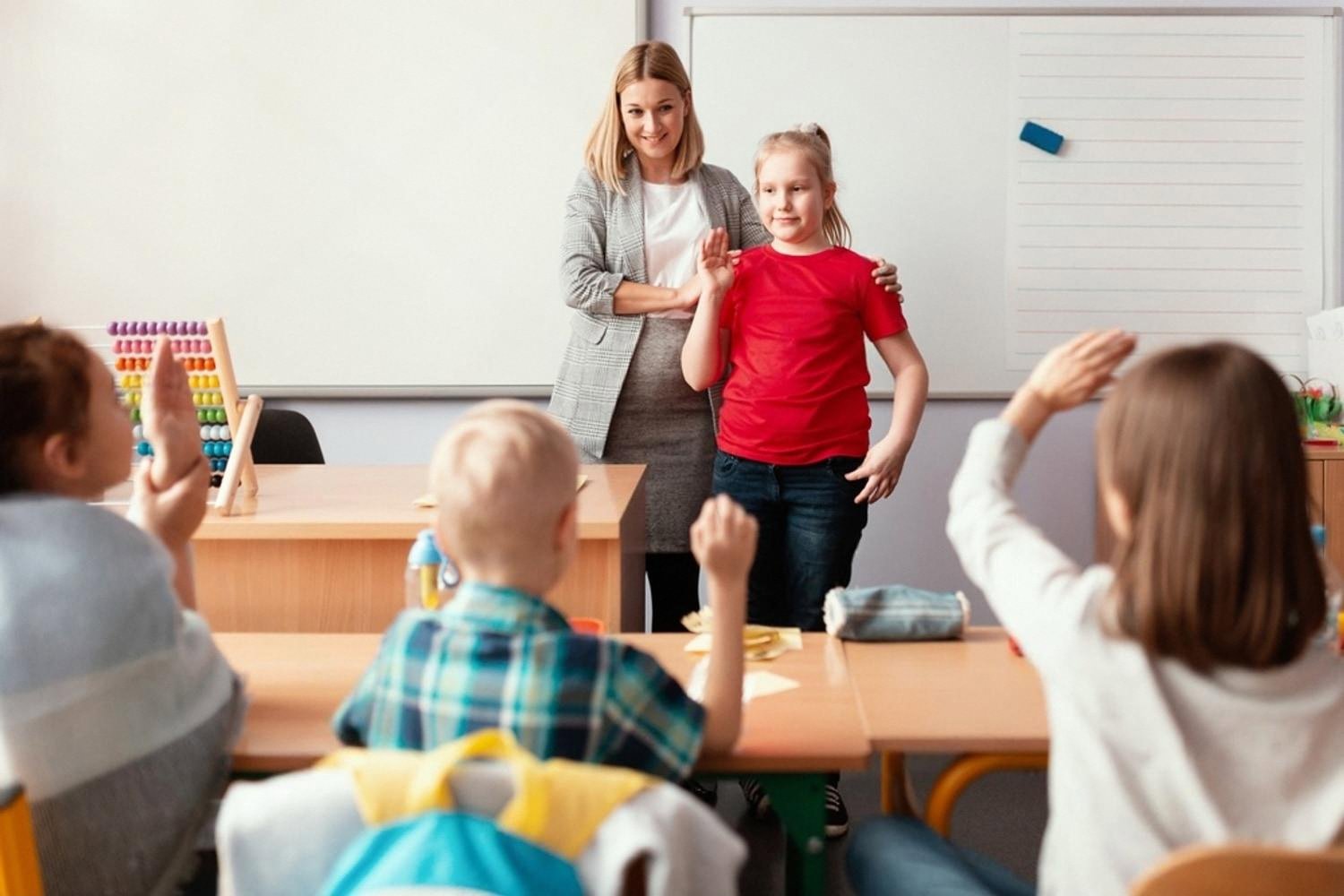
The best training ground is the school day itself. When a teacher calls a child to the board to describe their weekend, name three things they learned yesterday, or explain a maths problem out loud, that is public speaking practice in disguise. Many CBSE schools in Ajman and across the Emirates build these micro-presentations into daily routines, so children speak in front of the class dozens of times a term without it feeling like a performance.
The key is graduation. First the child speaks to a partner. Then to a small group. Then to the full class. Then to another class. Then to the assembly. By the time a Year 6 student stands in front of two hundred people at a school event, they have already delivered hundreds of tiny talks. The stage looks big to the audience, but to the child it is the next natural step, not a leap into the dark.
Confidence is not the absence of nerves. It is the memory of having done this before and survived, and being applauded for it.
Drama Clubs, Costumes and the Power of Play
Outside the classroom, drama clubs do something classroom lessons cannot. When a child plays a character, they are not exposing themselves, they are wearing someone else. That distance is a gift. A shy nine-year-old who would never volunteer to describe her holiday will happily roar as a lion in a school play, because the lion is the one being watched, not her.
Costumes matter more than adults sometimes remember. A well-made costume, a crown, a cape, a proper pair of stage shoes, makes a child feel special and prepared. It signals that the moment is important and that the school has invested in them. Group performances, choir pieces, ensemble scenes, and small speaking parts all give children the experience of standing on stage with the safety of teammates on either side of them. They hear the applause. They see the smiling faces. That memory does the heavy lifting later, when they are ready to stand alone.
Improvisation exercises in drama club are equally valuable. Children learn to keep going when something goes wrong, when a line is forgotten or a prop falls over. That resilience under mild pressure is exactly what adult presenters wish they had learned earlier.

What Parents Can Do at Home
School does a lot, but the home is where children rehearse who they are. Families that make space for a child to tell a story at dinner without being interrupted, to explain a game they invented, or to give a short “speech” before opening a birthday gift, are quietly teaching public speaking every week. There is no need for anything formal.
A simple and surprisingly effective habit is asking children to record short videos of themselves. A song, a dance, a two-minute retelling of a book they liked, filmed on a phone and watched back together. Children get used to hearing their own voice and seeing their own gestures, which is often the most uncomfortable part of speaking in public for teenagers and adults. Doing this at eight makes it unremarkable at eighteen.
One rule matters above all others: never force. If a child does not want a solo role, offer a group role. If a child hates the song, let them read a poem instead. Public speaking that is coerced builds resentment, not confidence. The child needs to feel they chose to stand up.
Five Ways to Build a Confident Young Speaker
- Start with the familiar. Ask the child to speak about their own weekend, their pet, a favourite meal. Personal topics remove the fear of “getting it wrong.”
- Move in stages. Partner, small group, full class, assembly. Never skip a level. Each stage should feel almost boring by the time the next one arrives.
- Use costumes and props. A hat, a badge, a full costume for a school play. Children speak more freely when they feel visually prepared and a little bit transformed.
- Record and rewatch, gently. Short home videos of songs, dances or stories. Focus on what went well before pointing out anything to change.
- Applaud the attempt, not just the result. A child who tried and stumbled needs the same clap as the child who nailed every word. That is what teaches them it is safe to try again.
The Long Game
Public speaking, in the end, is not really about the stage. It is about the belief that your voice is worth hearing. Children who grow up in classrooms where they are invited to speak, in homes where they are listened to without interruption, and in drama clubs where mistakes are laughed off and tried again, arrive at adulthood with something more valuable than technique. They arrive with the assumption that when they open their mouth, people will listen. Everything else, breathing, pacing, structure, can be taught in an afternoon. That underlying belief takes years, and the years to build it are the school years.
Frequently asked questions
At what age should children start practising public speaking?
As early as five or six, in very small doses. A one-minute story about the weekend, told to the family or the class, is already public speaking. The point at these ages is not polish but familiarity, getting used to having attention on you while you talk.
My child is very shy. Should I push them to speak in front of others?
No, not directly. Pushing a shy child to perform solo usually deepens the fear. Instead, start with group settings, choirs, ensemble drama pieces, small partner presentations, where the child speaks alongside others.
Once they feel the applause of a group performance a few times, most children begin to ask for a slightly bigger role themselves. That request is the signal to move up.
Do drama clubs really help with academic presentations?
Yes, more than most parents expect. Drama clubs teach projection, eye contact, timing and, crucially, how to recover when something goes wrong. These are the same skills a child uses when presenting a science project or answering a question in class. Many teachers in the UAE report that drama students are noticeably more confident in classroom presentations by upper primary.
How can parents help if they themselves are not confident speakers?
You do not need to be a good speaker to raise one. What matters is listening. Give your child undivided attention when they tell you a story, do not finish their sentences, and ask follow-up questions. That habit alone teaches a child that their voice is worth the room’s time.
Short home videos, family show-and-tell evenings, and letting the child give a small toast before a birthday cake all work well and cost nothing.
Should schools grade children on public speaking?
Feedback yes, harsh grading no, especially in the early years. A child who is graded low on a presentation at age eight may avoid the stage for the next ten years. Most UAE schools now use encouraging rubrics that reward effort, structure and improvement rather than pure performance, which is the right balance.
How do costumes and stage clothing actually affect a child’s confidence?
More than adults realise. A proper costume signals that the event matters and that the child is prepared for it. It also gives the child a small, useful mask, they are the character on stage, not just themselves being watched. That psychological cover often unlocks children who would otherwise be too self-conscious to perform.

Biker, feminist, ukulelist, hand letterer and HTML & CSS lover. Acting at the intersection of art and computer science to craft meaningful ideas that endure. Concept is the foundation of everything else.