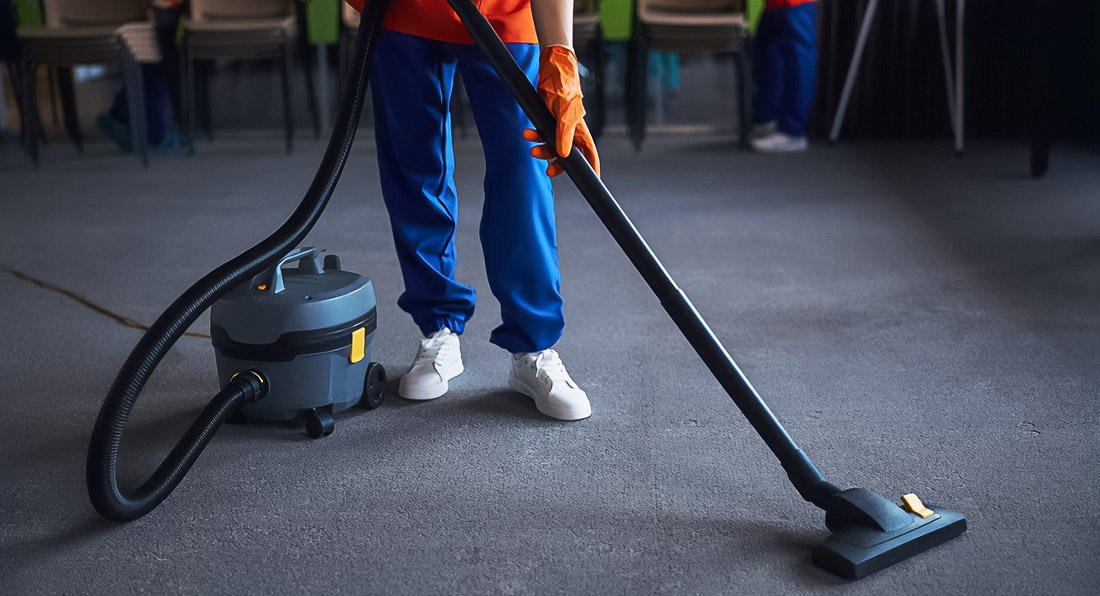
Winter for office buildings is not only cold and reduces daylight hours. It is dirt, moisture, reagents, fine abrasive particles, and constant pressure on entrance areas that demand a more structured approach to commercial office cleaning bristol. This is where a chain of problems begins, which quickly goes beyond aesthetics and directly affects hygiene, safety, and operating costs.
The office entrance works as a filter in winter. If the filter is poorly configured, the rest of the building pays for it: floors wear out faster, cleaning becomes reactive, and contact surfaces accumulate dirt much faster. Therefore, the winter hygiene plan for the entrance area is not a one-time measure, but a systematic approach where carpets, dirt control, and rotation of touch points work together.
Entrance Carpets As The First Line Of Defense
Winter carpets in the office are not a decoration or a formality. It is a functional element that takes on up to the bulk of the moisture and dirt carried in from the street. An effective system is always multi-stage.
Outside the building, carpets trap large particles and street debris. In the vestibule or just behind the doors, they work with moisture and fine abrasives. Inside, they stabilize the residual dirt, preventing it from spreading throughout the office. This approach reduces the burden of daily cleaning and slows down the wear of floor coverings.
It is important to consider not only the length of carpets, but also their density, ability to absorb moisture, and frequency of maintenance. An overstuffed or worn carpet loses its meaning. In winter, this is especially critical, since wet surfaces become a source of secondary pollution.
Control Of Dirt And Reagents Inside The Building
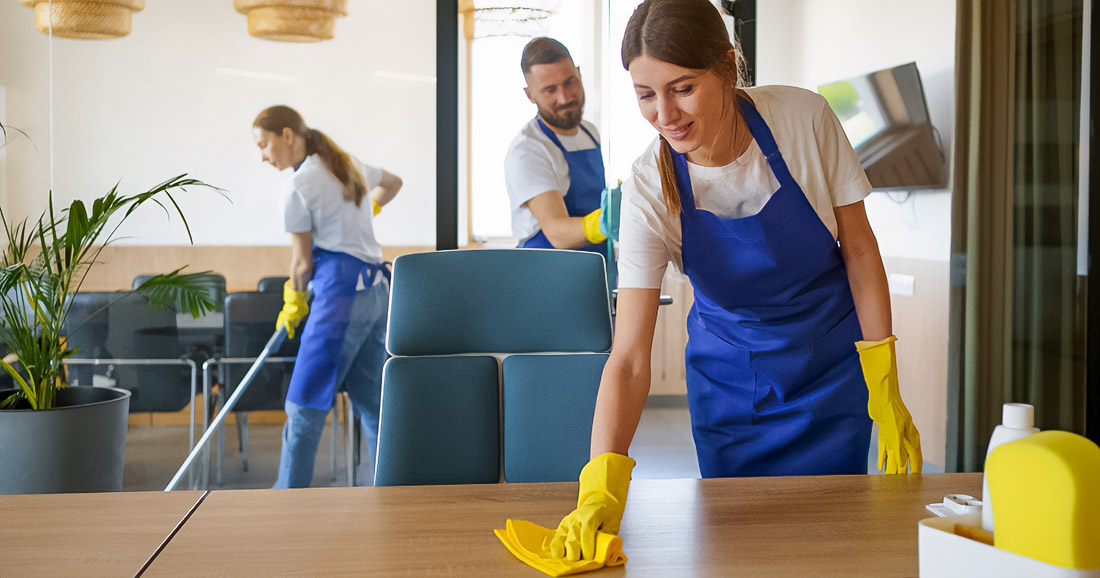
The winter office suffers not so much from the snow as from what remains after it. Fine grit, sand, and reagents quickly move from shoes to floors, then onto furniture and lower surfaces. Without control, this process becomes permanent.
Proper dirt control includes regular removal of abrasive particles, especially in high-traffic areas. This reduces the risk of damage to the coatings and reduces the amount of suspended dust in the air. In the long run, this affects the state of engineering systems and the overall perception of cleanliness.
Consistency is important here. Reagents do not disappear by themselves. If they are not removed in a timely manner, they destroy the coatings and create a sticky surface that attracts even more dirt.
Rotating Touch Points As A Daily Practice
In winter, employees use doors, handrails, and buttons more often, without thinking about the consequences. Moisture and dirt from clothes and gloves are quickly transferred to the contact surfaces. Therefore, the rotation of touch points should be integrated into the daily cleaning routine.
It’s not about endless disinfection of everything. It’s about priorities. Door handles, access panels, handrails, elevator buttons, and waiting areas require increased attention and regular focus changes. This approach reduces the accumulation of impurities and maintains a sense of controlled cleanliness.
It is important that this rotation is visible but unobtrusive. Employees sense order not by the smell of cleaning products, but by the general condition of the space.
The office entrance winter hygiene plan is not a list of tasks, but related logic. Carpets trap dirt. Abrasive control prevents it from spreading. The rotation of the touch points reduces the accumulation of impurities where it occurs fastest.
When these elements work together, the office remains resilient to seasonal stress. Cleanliness ceases to be an emergency measure and becomes a manageable process. And this, ultimately, is the goal of any corporate space in winter.

Biker, feminist, ukulelist, hand letterer and HTML & CSS lover. Acting at the intersection of art and computer science to craft meaningful ideas that endure. Concept is the foundation of everything else.